LDL cholesterol
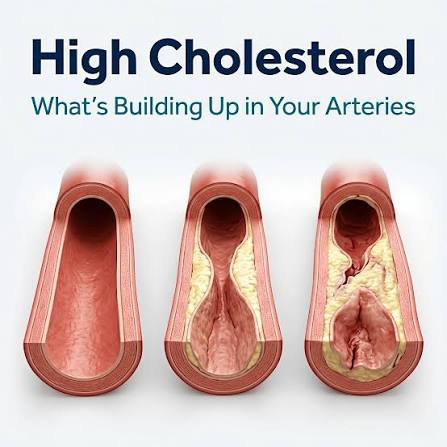
LDL-C measures the cholesterol carried by LDL particles. Higher levels over time can contribute to plaque buildup in artery walls. The goal for you depends on your overall risk and health history.
What LDL level makes sense for me?
Dyslipidemia
Learn what LDL, HDL and triglycerides tell you, how they fit into your heart and stroke risk, and what to ask at your next visit.
A blood test called a lipid panel measures cholesterol and triglycerides. Your care team uses the results alongside your health history to understand your chance of heart attack or stroke.
Each result tells you something different about the fats carried in your blood.
Blood pressure, diabetes, smoking and family history can change what a result means for you.
Many lipid panels can be done without fasting. Follow the instructions from your care team or lab.
Choose a result to see what it measures and a question you can bring to your visit.
LDL-C measures the cholesterol carried by LDL particles. Higher levels over time can contribute to plaque buildup in artery walls. The goal for you depends on your overall risk and health history.
What LDL level makes sense for me?
HDL-C measures cholesterol carried by HDL particles. HDL helps move cholesterol back to the liver. Your clinician considers this result alongside LDL, blood pressure and other risk factors.
How does my HDL fit with the rest of my results?
Triglycerides are another kind of fat in the blood. Recent meals, alcohol, blood sugar, some medicines and inherited factors can affect the result.
What might explain my triglyceride result? Would a repeat test help?
Non-HDL cholesterol is total cholesterol minus HDL. ApoB helps estimate how many particles can contribute to plaque. These measures can help interpret risk, especially when triglycerides are higher.
Which of these measures is most useful for me?
Lp(a) is a cholesterol-carrying particle. Its level is largely inherited and measured with a separate blood test. It can help explain risk, especially when heart disease runs in a family at an early age.
Would knowing my Lp(a) change my care plan?
If you’re comparing reports, ask about the units, the reason for each test and which change matters for you. Canadian Cardiovascular Society lipid guidance
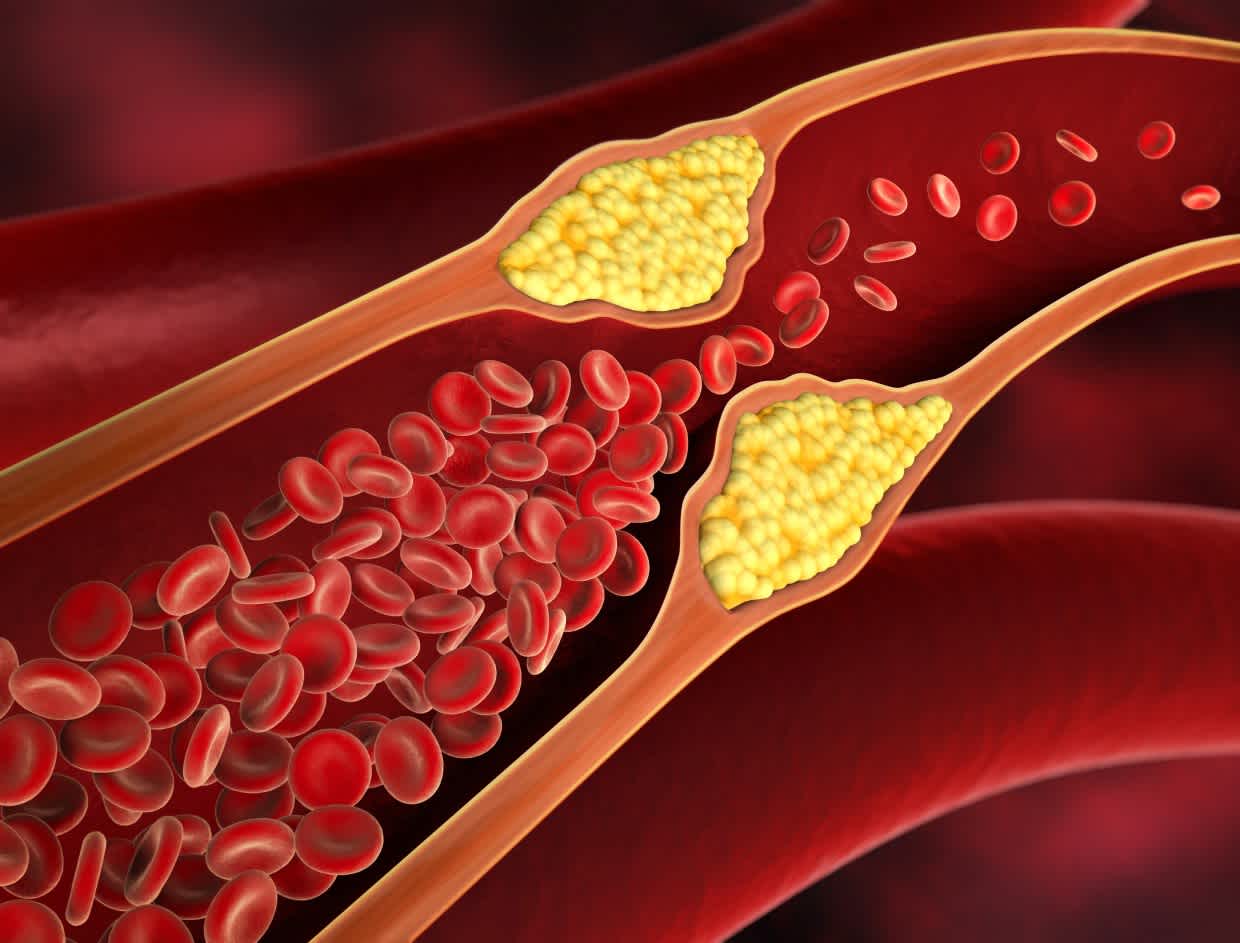
Plaque can build up in an artery wall over time. It can narrow the artery. A clot that forms on damaged plaque can block blood flow and cause a heart attack or some types of stroke.
Your clinician can explain which factors matter most and how they affect your options and follow-up.
Explore heart and stroke preventionStart with a change that fits your health, meals, budget and mobility.
Build fibre into a meal
Try oats, barley, beans or lentils for more soluble fibre. When it suits the meal, choose olive or canola oil in place of butter.
Heart & Stroke food and cholesterol tips
Build movement gradually
Try a short walk, roll or other movement you enjoy. Build up as you’re able. If symptoms or a health condition limit activity, ask where to start.
Quitting smoking can lower heart and stroke risk. Alcohol can raise triglycerides. Your care team can help you choose a next step.
Explore tobacco and nicotine supportDiabetes, an underactive thyroid, kidney or liver disease and some medicines can affect lipid results or treatment options.
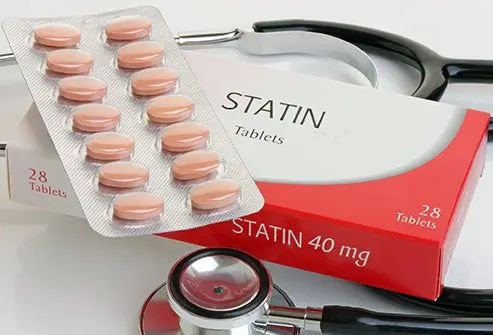
The expected benefit depends on your cholesterol, overall risk, health history and preferences. Talk about cost, side effects and follow-up before choosing a plan.
Choose prompts for your next visit. Your selections stay in this tab. Copy your list to bring it with you.
Call 911 right away for signs such as chest pressure or pain, severe trouble breathing, sudden face drooping, weakness on one side, trouble speaking, or collapse.
For non-emergency health advice in Ontario, call Health811 at 811.
Heart & Stroke emergency signs