
Can’t swallow safely or passed out?
Call 911Call 911 if the person can’t swallow safely, is very confused, passes out or has a seizure. Give glucagon if available and you know how to use it. Give nothing by mouth.
Type 2 diabetes
Check when it’s useful, understand your A1C, and know what to do if your blood sugar drops or you get sick.
Someone can’t swallow safely, passes out or has a seizure? Call 911.
Quick tools for blood sugar
For adults with Type 2 diabetes, the best times to check depend on your medicines and what you and your care team want to learn.
Your plan might include a check before breakfast, two hours after starting a meal, when you feel shaky or sweaty, or when you’re sick. Insulin and medicines such as gliclazide can cause lows. Ask when and how often to check if you take them.
If your treatment has a low risk of causing lows, you may only need checks at certain times.
A continuous glucose monitor (CGM) tracks glucose in the fluid under your skin. It can lag behind a finger-stick reading when blood sugar is changing quickly. If symptoms and the sensor result disagree, check with a finger-stick meter as soon as you can.
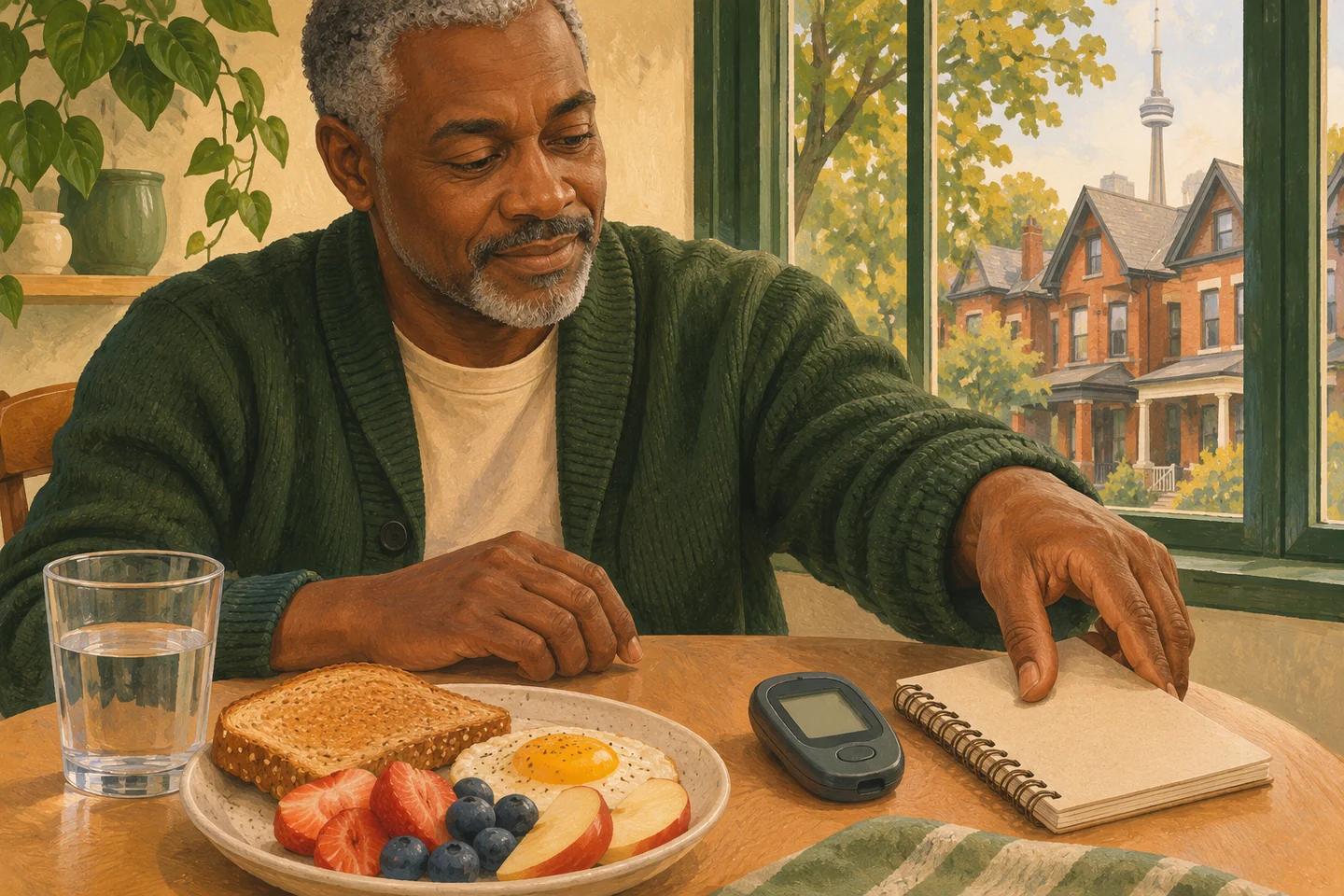
See what to do if you feel lowNote the date, time, reading and whether it was before or after a meal. Add any recent activity, illness, new medicine or symptoms that might matter. Bring your meter, paper log or sensor report to your next visit.
Low blood sugar
If you take insulin or a medicine that can cause lows, shaking, sweating, hunger or dizziness can be signs. Check your blood sugar if you can. Treat below 4.0 mmol/L. If you have symptoms and can’t check promptly, treat it as a low if you can swallow safely.
Call 911 if the person can’t swallow safely, is very confused, passes out or has a seizure. Give glucagon if available and you know how to use it. Give nothing by mouth.
If you can treat yourself safely, take glucose tablets that add up to 15 g. If you use juice or regular soft drink, check the label for the amount that provides 15 g of carbohydrate.
If you’re still below 4.0 mmol/L, take another 15 g and check again after 15 minutes. Use a finger-stick meter if the sensor still seems out of step with how you feel.
When you’re back at 4.0 mmol/L or higher, have your usual meal if it’s due. If it’s more than an hour away, have a snack with carbohydrate and protein, such as crackers and cheese.
15:00
Get urgent advice if the low keeps returning or stays low after repeated treatment. Tell your care team about any low that needed someone else’s help. HealthLink BC guide to treating a low
Sick days
Illness can raise blood sugar even if you eat less. Eating less can also cause a low with some medicines. Ask your diabetes team to write down what to check, what to take and when to call.
Follow your sick-day schedule. If you use insulin, your team may ask you to check every two to four hours while sick. Ask whether you need to check for ketones and what result means you should get help.
Try small, frequent sips of water or other fluids. Follow any fluid limit your team has given you. If you can’t eat normally, follow your plan for drinks or snacks with carbohydrate.
Keep taking your long-acting insulin according to your sick-day plan. If you can’t eat or you’re having lows, call your care team for advice about insulin or other medicine changes. If vomiting, diarrhea or poor fluid intake could dehydrate you, follow your written instructions for medicines to pause and restart, or call your clinician or pharmacist promptly. Ask about metformin and medicines such as empagliflozin or dapagliflozin.
Review Diabetes Canada’s sick-day medication list with your care team
Understand A1C
Right now
Shows your blood sugar in mmol/L at a point in time. Use it to understand patterns around meals, activity, medicines and illness.
About 2–3 months
Estimates average blood sugar over the past few months. It’s reported as a percentage. Your care team can look at your A1C alongside today’s highs or lows.
This guide focuses on adults with Type 2 diabetes. If you have Type 1 diabetes or are pregnant, ask your care team for a plan and targets for your situation.
Daily habits
Choose something that fits your meals, budget, schedule and mobility. Ask for support with anything that gets in the way.
 Build a meal you can enjoy
Try adding vegetables and a protein to a starch you already eat, such as rice, roti or potatoes. Beans, lentils, eggs, fish or tofu can work. Choose water more often if it fits your plan.
 Move in a way that works for you
Try a short walk, a roll or seated movement after one meal. Build up gradually. If you use insulin or another medicine that can cause lows, ask how to plan for activity safely.
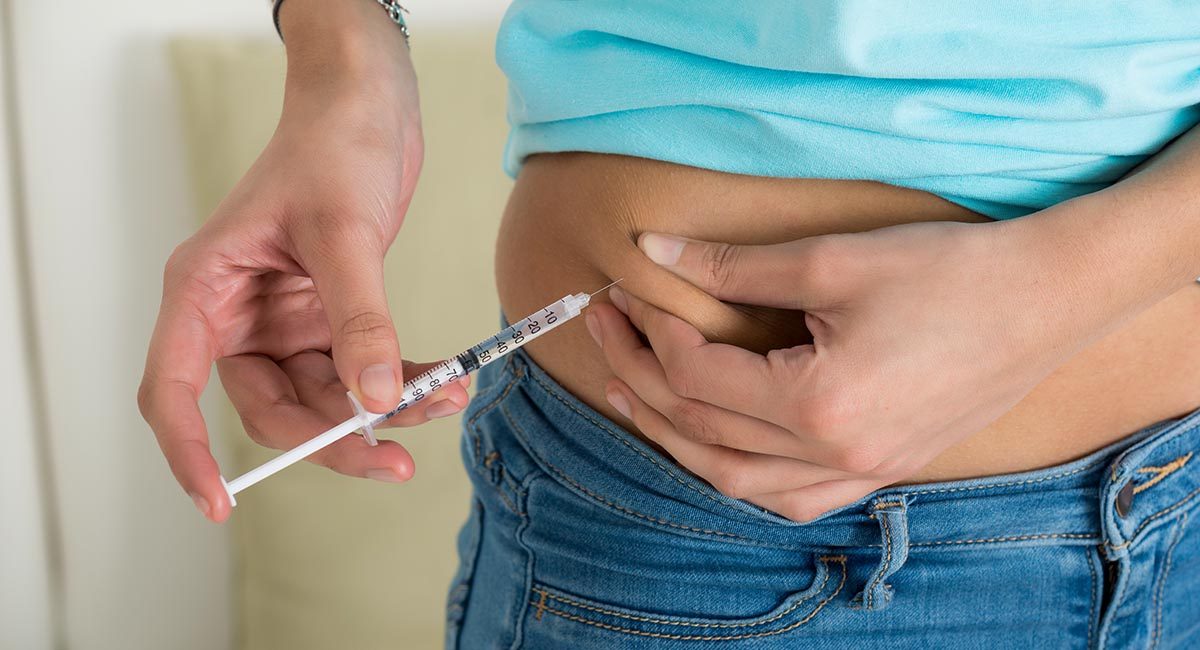 Give medicines a regular cue
Pair your prescribed schedule with something you already do. Refill before you run out. Ask about side effects or lower-cost options if it’s hard to take your medicine regularly.
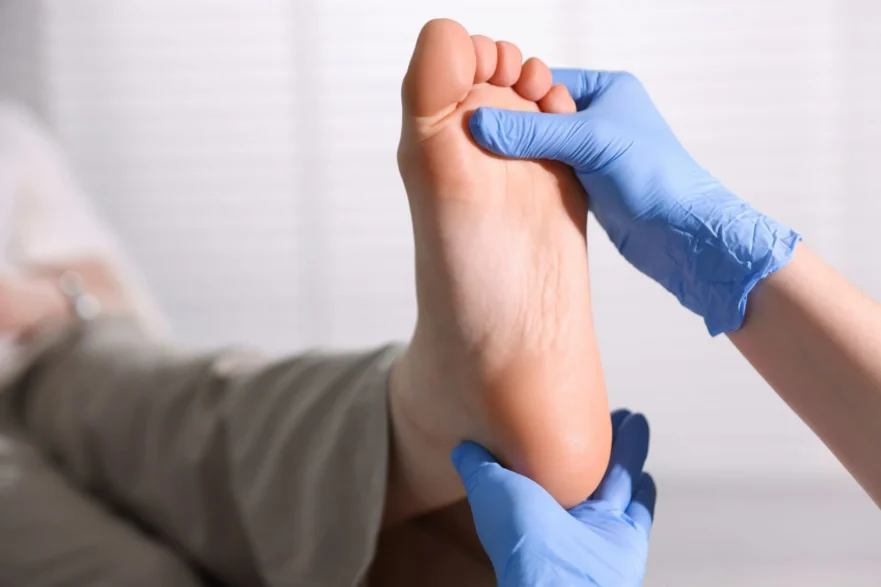 Take a quick look at your feet
Check the tops, soles and between the toes for a blister, cut or change in colour. Use a mirror or ask for help if needed. Contact your care team promptly for a new sore or redness.
Your care team can explain which medicines lower your blood sugar, which can cause lows, and whether any can help protect your heart or kidneys.
Insulin and medicines such as gliclazide or glyburide can cause low blood sugar. If you take one, ask how to check for lows and whether to carry glucose tablets and a glucagon kit.
Ask how metformin, SGLT2 medicines or GLP-1 medicines fit your care plan if you take them. Kidney and heart health, side effects and cost can affect the choice. Ask for a written sick-day plan.
Short videos from hospitals and health organizations I trust. Watch at your own pace, and bring your questions to your next visit.

Sunnybrook Hospital Canadian source
Full talk, about 1 to 2 hours
Sunnybrook experts share an update on living well with type 2 diabetes.
Watch on YouTube
Sunnybrook Hospital Canadian source
Short video
A diabetes nurse educator explains the difference between type 1 and type 2 diabetes.
Watch on YouTubeThese videos are for general education and do not replace advice from your own doctor. If you have urgent symptoms, call 911 or go to the nearest emergency department.
Diabetes care in Toronto
An educator can help with a meter, meals, lows and sick-day planning. Ask about current eligibility, referral requirements and costs before you go.
955 Queen St. E., East Toronto
Free education and counselling for adults with Type 2 diabetes or prediabetes. The program accepts self-referrals.
Call 416-461-9042, ext. 1 DECNET program detailsUse Toronto’s central referral service to find a diabetes education program near you. You or your care provider can send a referral.
Find diabetes education in TorontoOHIP covers medically necessary physician visits for eligible patients. Ontario also funds diabetes education programs with program-specific eligibility.
807 Broadview Ave.
If you’re a patient at Albany, ask your family doctor about your glucose plan, A1C, screening tests and a referral for diabetes education.
Plan a visit at Albany61 Queen St. E., 7th floor
Specialist diabetes care and education for adults, including adults with Type 2 diabetes. Ask your health care provider for a referral.
Call 416-867-3679 Clinic and referral informationSoutheast Toronto and virtual visits
Fee-based nutrition counselling for diabetes and other health concerns. Ask about session costs and extended health benefits.
Seasoned Nutrition service detailsDowntown Toronto
Registered dietitian visits for diabetes nutrition. Ask which location offers the service and what your extended benefits reimburse.
Integra Health dietitian servicesProgram details checked .
Prepare for a visit
Choose the questions that feel most useful. Your selections stay in this tab. You can copy the list to bring it with you.